Ramon David Castañeda

An engineer of stories using words and design. 

About Me

Story engineer based in the Philippines especially keen on furthering local science communication efforts

Education

Health Social Science 
at De La Salle University


Skills

Multimedia communication, social media management, and research outreach

Interests

Research communication, gastronomy, and cultural art


Dab's Works

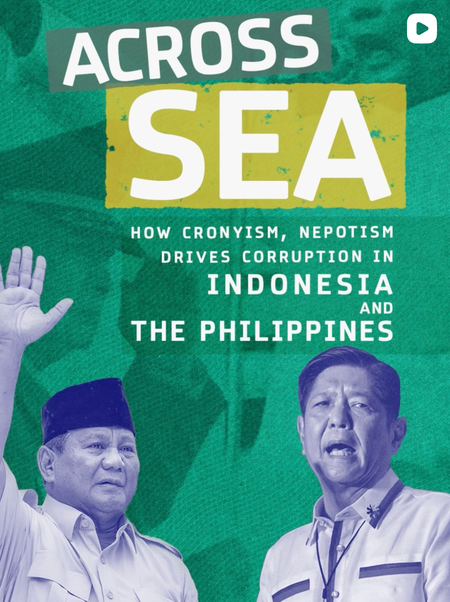
How cronyism, nepotism drive corruption in Indonesia and the Philippines

The similarities between the two neighbors, Indonesia and the Philippines, run deeper than just thumping dance music and hospitable citizens. Quite literally trauma-bonded, these two nations have suffered similar hits to the very fabric of their democracy—wrought by similar figureheads, at that.

Based on The Gecko Project @thegeckoproject report, “The President’s New Clothes”, supported by The Pulitzer Center @pulitzercenter, COMMONER explored the striking parallels between Prabowo Subianto and Bongbong Marcos, the incumbent leaders of Indonesia and the Philippines, hold true to the same corruption playbook. This gives us a blueprint with which to foil their false personae—those of a bubbly, welcoming grandfather and the seemingly anodyne, diplomacy-first statesman respectively—and see the chinks in their governance style.
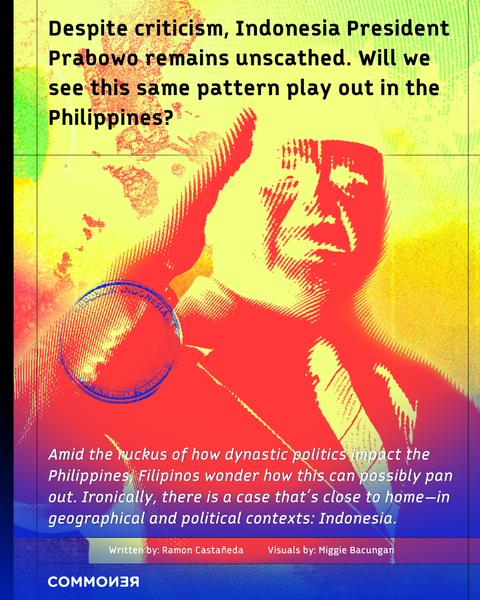
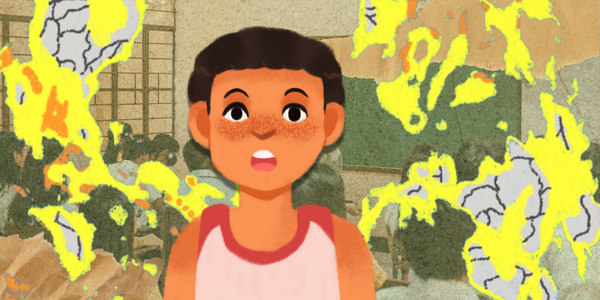
Despite criticism, Indonesian President Prabowo remains unscathed. Will we see this same pattern play out in the Philippines?

In 2024, Prabowo Subianto was elected Indonesia’s president. A former special forces officer, he was dismissed from the military over his alleged role in ordering the kidnapping of human rights activists. Prabowo and his cronies made politics their playground and their favored cards were “the nation’s assets.”

According to University of Amsterdam professor Ward Berenschot, who is researching conflicts of interest among Indonesian political elites, “Indonesia’s economy has always been characterised by people acquiring assets by being close to power, or by being in power themselves.” This is strikingly similar to what we’ve observed play out here in the Philippines.

When investigations on flood control projects began, we started unearthing more and more evidence of how Indonesia’s systemic corruption is parallel to ours—and often quite transactional. Politicians in Indonesia and the Philippines have seemingly used governmental power as opportunities to exploit the system for personal gain—and it will stay this way for as long as the corrupt get their returns of investment.

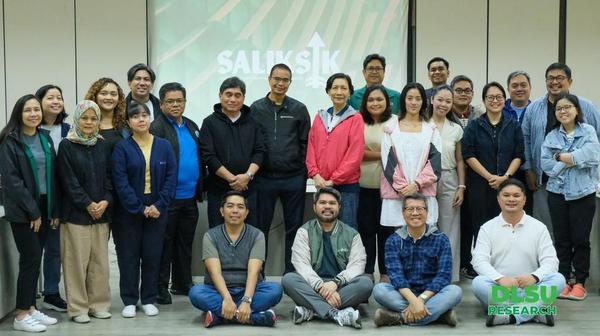
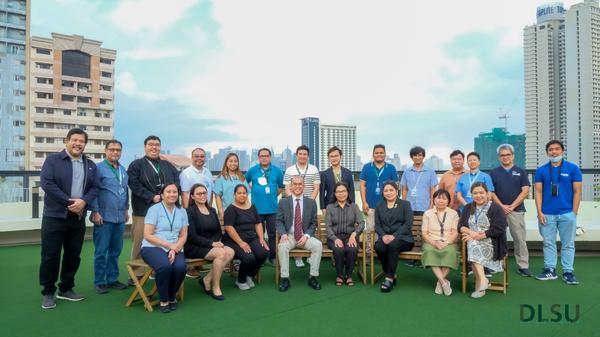
SALIksik: Lasallian Research Communication Fellowship Days 2 and 3 Photo Album

Continuing from the introductory session earlier this month, DLSU's Research Communication and Data Analytics Office held days 2 and 3 of the "SALIksik: Lasallian Research Communication Fellowship 2024" focused on storytelling through research communication, engaging with a Filipino audience, multimedia and social media content production, and building relationships with stakeholders for the University's attending faculty researchers and research centers' heads.

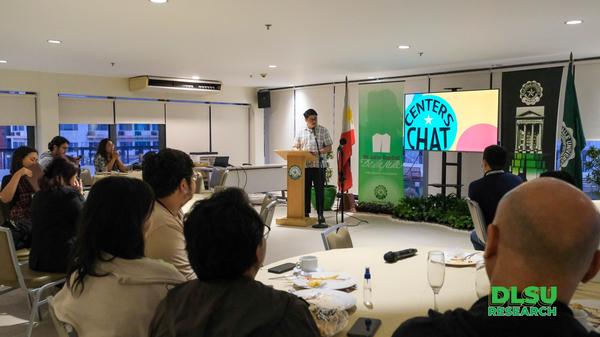
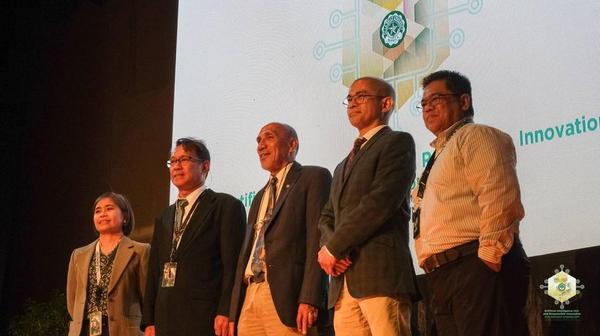
Centers Chat: Let's Talk Funding Hacks Photo Album

DLSU's Research Communication and Data Analytics Office, together with the Research and Grants Management Office and the Office of the Vice President for Research and Innovation, held the first iteration of "Centers Chat" last October 9 at the Henry Sy Sr. Hall Roof Deck. Aimed to cultivate a greater sense of community and even more effective undertakings for all Lasallian researchers, this series of fireside chats will discuss different foci per session.

How an oil spill emphasizes the need for a good grasp of science (for everybody)

An oil spill typically takes weeks, depending on the length of cleanup time and severity of destruction. As of writing, it has since been two weeks since July 25—and the spill was discovered almost immediately.

While the country awaits updates on its resolution, what needs to be shed light on is how long its damages will last—and what would be affected.

Despite being first and foremost a threat to marine ecosystems, an oil spill’s damages go beyond environmental aspects. Others that would also be affected include livelihood, food, the economy, and health.

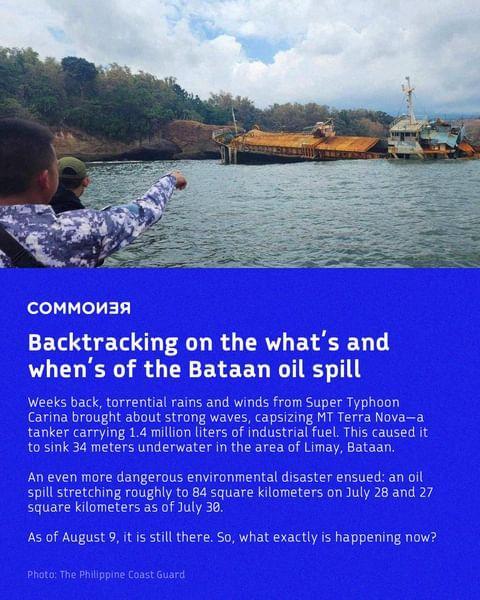
Backtracking on the what's and when's of the Bataan oil spill

Weeks back, torrential rains and winds from Super Typhoon Carina brought about strong waves, capsizing MT Terra Nova—a tanker carrying 1.4 million liters of industrial fuel. This caused it to sink 34 meters underwater in the area of Limay, Bataan.

This incident eventually led to an even more dangerous environmental disaster: an oil spill stretching roughly to 14.4 square kilometers in Manila Bay. For reference, Boracay Island's area is only 10.32 square kilometers in total.

In just a matter of days, it spread across nearby provinces, and even almost reached Metro Manila coastlines.

As of August 9, the oil spill that started in Bataan is still there. So, what exactly is happening now?

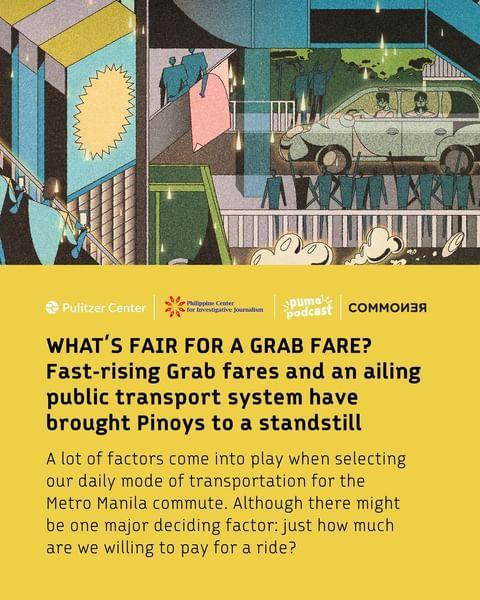
What's fair for a Grab fare? Fast-rising Grab fares and an ailing public transport system have brought Pinoys to a standstill

Commuters in Metro Manila can attest to the worsening situation of finding transport options to get from point to point. There are transport network vehicle services (TNVS) like Grab that have long been options since their dominance of the ride-hailing services in the Philippines. But with their fares now ballooning, are rides that offer more convenience, comfort, and safety simply for those who can afford them? On top of that, is the country maybe more focused on improving the TNVS market rather than studying and investing more in improving public transportation? More demand for services like that of Grab takes advantage of the already car-populated metro by utilizing a good number of these vehicles for ride-hailing services, but does this somehow reduce the need for more vehicles to be bought and occupy the traffic-laden roads? Without proper measures, Filipino commuters will remain disadvantaged.

Convenience at an Inconvenient Cost: The High Price of Grab Rides

With all commodities’ costs skyrocketing, it is completely reasonable for commuters to want to know where and how they spend their every buck.

According to the transport network vehicle service (TNVS) company Grab, these surges in pricing simply follow an algorithm. But is that simply the answer to the complex and ambiguous calculations for our rides? Are commuters, drivers, and riders simply hostage to the algorithm? That’s a hard pill to swallow for many to whom ride-hailing apps have become a lifeline. If a remedy for these surge fees cannot be immediate, real transparency on the algorithms that calculate surge charges should be a given. It is time TNVS become the customer-oriented businesses that they make themselves out to be.

Breaking boundaries through citizen science

The way we do science has come a long way—from having only experts work on scientific projects, to where many projects now also include members of the public as participants. This change is thanks to citizen science, which creates opportunities for science to be taken to the next level.Designing, conducting, and evaluating science has always been a complicated process. In addition, the entry requirements for participation have traditionally made scientific endeavors rather exclusive, often requi...

DOST-TAPI marches nationwide for month-long TechnoBYAHE Writeshop Series

To further its mission of providing opportunities to technopreneurs, the Technology Application and Promotion Institute (DOST-TAPI) conducted a series of writeshops across various regions of the country for the entire month of March. Led by the Applied Communications Unit for Non-inventors (ACU-n), DOST-TAPI launched the writeshop series through TechnoBYAHE—the Institute’s branded event to promote its Technopreneurship Programs.

TECHNiCOM helps plant the seeds of GeoMap in new DOST-TAPI undertaking

According to data from the World Bank, 42.5 percent of the country’s land area as of 2020 is made up of agricultural land. Yet, despite the abundance of opportunities to maximize the country’s potential as an agri-superpower, a crisis plagues the industry.
But an emerging technology in the form of GeoMap aims to address the industry’s struggles by allowing users to input data and retrieve insights on what to do next.
Load More